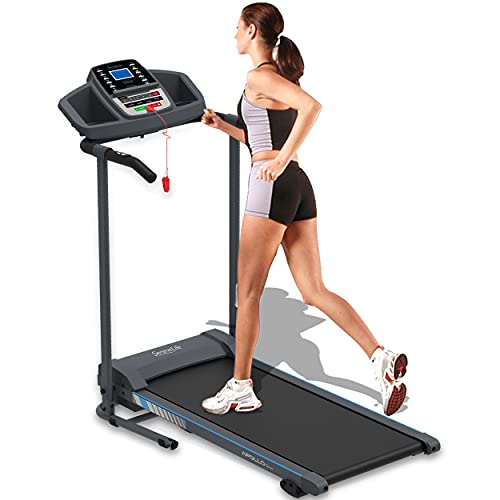
Non-Folding Treadmills: The Ultimate Guide for Fitness Enthusiasts
As home physical fitness continues to acquire traction, lots of people are seeking equipment that fulfills their needs without jeopardizing quality or efficiency. One essential player in this arena is the non-folding treadmill. Unlike folding treadmills, which are designed for density and portability, non-folding treadmills are typically more robust, offering improved resilience and machine performance. This guide will check out the functions, advantages, limitations, and alternatives readily available for non-folding treadmills.
What is a Non-Folding Treadmill?
A non-folding treadmill is a fixed workout machine that does not have the ability to fold its deck for storage. Specifically developed to be a long-term component in physical fitness areas, these treadmills normally have a larger footprint, enabling a host of comfortable features fit for serious runners and gym-goers.
Advantages of Non-Folding Treadmills
- Stability and Durability: Non-folding treadmills generally have a stronger building, providing them enhanced stability throughout high-intensity exercises. They are constructed to deal with diverse user weights and running speeds, which can lengthen their life-span.
- Advanced Features: Many non-folding designs come geared up with innovative technological functions, such as wise display systems, automated incline changes, and pre-set exercise programs, which deal with major fitness lovers.
- Larger Running Surface: These treadmills often supply a larger and longer running area, which can be particularly useful for runners who choose to train at higher speeds or for those with longer strides.
- Better Motor Performance: Non-folding treadmills generally have more powerful motors compared to their folding counterparts, permitting better performance during extreme running sessions.
Disadvantages of Non-Folding Treadmills
- Space Requirements: Since they do not fold, non-folding treadmills require more space in your home or health club. If area is a restraint, this may be a critical consideration.
- Lack of Portability: These machines can be troublesome to move. It is challenging to move a non-folding treadmill compared to a folding one, which may be a disadvantage for those who move often or reorganize home gym layouts often.
- Price: Non-folding treadmills are typically more expensive than folding treadmills, mainly due to their sophisticated functions and durable construct.
Secret Features to Consider
When searching for the right non-folding treadmill, several functions must be considered to guarantee you make a notified decision:
| Feature | Significance |
|---|---|
| Motor Power | Try to find a motor of a minimum of 2.5 CHP for solid performance. |
| Belt Size | A belt width of 20 inches or wider is perfect for convenience and security. |
| Incline Range | An incline of 10% to 15% gives more workout variety. |
| Technology Integration | Think about designs with Bluetooth capabilities, workout apps, and heart rate monitoring. |
| Service warranty | A robust guarantee (a minimum of 10 years for the frame and motor) indicates sturdiness. |
Top Non-Folding Treadmills on the Market
Here is an extensive introduction of some of the leading non-folding treadmills presently offered:
| Treadmill Model | Motor Power (CHP) | Running Surface (inches) | Incline (%) | Price Range (GBP) | Warranty |
|---|---|---|---|---|---|
| NordicTrack Commercial 1750 | 3.75 | 22 x 60 | 15 | ₤ 1,799 - ₤ 2,199 | 10-Year Frame, 2-Year Parts |
| Sole F85 | 3.5 | 22 x 60 | 15 | ₤ 1,699 - ₤ 2,099 | Life Time Frame, 5-Year Parts |
| Life-span TR3000i | 2.5 | 20 x 56 | 15 | ₤ 999 - ₤ 1,299 | Life Time Frame, 5-Year Parts |
| ProForm Pro9000 | 3.0 | 22 x 60 | 15 | ₤ 1,499 - ₤ 2,299 | Lifetime Frame, 2-Year Parts |
| Horizon Treadmill 7.0 AT | 3.0 | 20 x 60 | 12 | ₤ 899 - ₤ 1,099 | Life Time Frame, 1-Year Parts |
Frequently Asked Questions About Non-Folding Treadmills
1. Are non-folding you can find out more than folding ones?Non -folding treadmills usually use better stability, sturdiness, and advanced features. This makes them ideal for severe runners, however it ultimately depends upon private requirements and readily available space.
2. Can a non-folding treadmill be utilized for walking?Yes! Non-folding treadmills are not limited to running; they can likewise be ideal for walking and can accommodate a large range of fitness levels. 3. Just how much area do I require for a non-folding treadmill?It is suggested to have a devoted location determining at least 7 feet long and 3 feet large around the treadmill for safe usage. 4. Is it possible to transport a non-folding treadmill?While it can be done, it might require additional effort as they are generally much heavierand bulkier than folding models. 5. What's the typical life-span
of a non-folding treadmill?With routine upkeep and proper usage, non-folding treadmills can last between 10 and 15 years or more.
Non-folding treadmills represent a substantial investment
for those serious about keeping or enhancing their fitness. With their focus on toughness, stability,
and enhanced features, they accommodate users pursuing efficiency and durability. Selecting the best model involves carefully considering your workout habits, space accessibility, and spending plan. By understanding the characteristics that make non-folding treadmills an exceptional option, people can make educated choices that will enhance their home physical fitness experience. Whether it's for walking, running, or high-intensity training, the right non-folding treadmill can be a considerable ally in accomplishing fitness objectives.